
Digital Detox Islands in Kenya
Where the dhow sails replace push notifications and the muezzin marks the only schedule.
Why Kenya for a Digital Detox
When people think of Kenya, they think of safari, of the Maasai Mara and the Great Migration, of Land Rovers and telephoto lenses pointed at lions. But Kenya's Indian Ocean coast holds a secret that the safari industry has conveniently overlooked: a thousand-year-old Swahili civilization built on islands and coral-stone peninsulas where the pace of life is still governed by monsoon winds and tidal patterns rather than push notifications and quarterly earnings reports. The Lamu Archipelago, tucked against the northern Kenyan coast near the Somali border, preserves the oldest and best-maintained Swahili settlement in East Africa, a UNESCO World Heritage Site where no motorized vehicles have ever operated on the main island. There are no cars. There are no motorcycles. There are donkeys, dhow boats, and the sound of your own footsteps on narrow coral-stone lanes that were old when Columbus was young. The absence of engines creates a silence so particular, so layered with human activity, the call of the muezzin, the clatter of a brass tray, the laughter of children playing in a courtyard, that it recalibrates your auditory system within hours.
Lamu's power as a digital detox lies in the density and warmth of its analog social fabric. This is a place where the cultural fusion of Arab, African, Indian, and Portuguese influences over twelve centuries has produced a way of living that is both cosmopolitan and profoundly unhurried. The carved wooden doors that line the stone-town lanes are not merely decorative; they are genealogical records, their patterns indicating the ethnic origin, social status, and trade connections of the families who commissioned them. Every door is a story told without a screen. The dhow builders who still construct sailing vessels by hand on the waterfront use techniques unchanged since the ninth century, fitting planks with coconut-fiber stitching and waterproofing the hulls with shark oil. Watching them work is a masterclass in attention: they do not multitask, they do not check anything, they simply shape wood with an expertise so deep it has become indistinguishable from meditation. In Lamu, craftsmanship is the original mindfulness practice, and it surrounds you everywhere you turn.
What ultimately makes Kenya's coast transformative for the digitally exhausted is the monsoon rhythm that still governs daily life. The kaskazi, the northeast monsoon that blows from December to March, and the kusi, the southeast monsoon from June to October, determine not just sailing routes but social patterns, cooking traditions, and the collective mood of the archipelago. There is no algorithm optimizing this rhythm. There is no notification system announcing the wind change. The monsoon arrives when it arrives, and the island adjusts. Fishermen who have read the sky and the sea their entire lives do not need a weather app; they need a good dhow and the knowledge passed down from their grandfathers. Sitting on a rooftop terrace in Lamu Town as the evening breeze carries the scent of cardamom tea and frangipani from the courtyard below, watching the dhows return with their catch silhouetted against an Indian Ocean sunset that nobody is livestreaming, you feel something ancient and necessary click back into place. Your nervous system, so long hijacked by the manufactured urgency of the digital world, recognizes the rhythm it was designed for.
Islands in Kenya
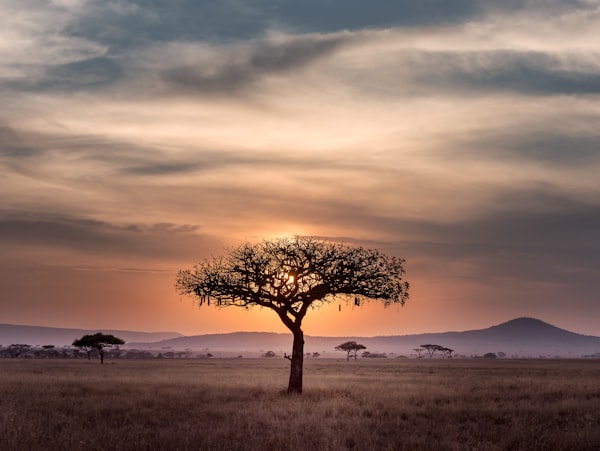
Find your island in Kenya.
Take our quiz to find the perfect Swahili coast island for your nervous system.
Take the Island Quiz