
Lofoten
Arctic granite, midnight sun, and the profound quiet that comes when the world forgets to get dark.
Why Lofoten for a Digital Detox
Lofoten does something to the human nervous system that science has not fully explained. Perhaps it is the light — that Arctic luminescence that, during the summer months, simply refuses to leave, turning midnight into a golden hour that stretches for weeks, dissolving the tyranny of the clock that governs modern life. Perhaps it is the scale of the landscape: granite walls erupting vertically from a sea so cold and clear it looks like liquid obsidian, their peaks wrapped in shreds of cloud that drift and reform with the unhurried patience of a world that existed long before human attention became a commodity to be harvested. Whatever the mechanism, the effect is unmistakable. Within a day of arriving, the frantic ticker-tape of digital thought begins to slow. Within three days, it stops entirely.
The archipelago stretches like a fractured spine into the Norwegian Sea, north of the Arctic Circle yet improbably temperate thanks to the Gulf Stream's warm embrace. Between the islands, fjords cut deep into the rock, their waters so still on windless mornings that the mountains are reflected with such fidelity you cannot tell which way is up. Rorbuer — the iconic red-painted fishing cabins that have sheltered cod fishermen for centuries — line the harbors of villages like Nusfjord, Reine, and Hamnoy, their weathered timbers smelling of salt and pine tar. Many have been converted into guest cabins, and sleeping in one feels like inhabiting a painting, the kind you would never think to photograph because the experience of being inside it is already complete.
The relationship between Lofoten and the sea defines everything. Wooden racks called hjell stand in rows along the shoreline, their crossbeams heavy with thousands of cod hung to dry in the Arctic wind — stockfish, the export that built Viking trade routes and fed medieval Europe. The racks creak and sway in the breeze, the fish turning slowly from silver to amber to the deep mahogany of a process that takes three months and requires nothing but wind and patience. There is a lesson in this for anyone recovering from the instant-gratification feedback loops of the digital world: some things cannot be hurried, and the attempt to hurry them destroys what makes them valuable.
In winter, the islands offer a different kind of disconnection. The sun vanishes entirely for weeks, and the sky is left to the aurora borealis — curtains of green and violet light that ripple across the darkness with a silence so total it feels like a sound. You stand on a snow-covered beach in Uttakleiv at two in the morning, the northern lights reflected in the wet sand, and the concept of checking your email becomes not just unappealing but genuinely absurd, as though someone asked you to solve a crossword puzzle during a religious experience. Lofoten does not ask you to put down your phone. It makes you forget you ever owned one.
What to Expect
Summer days in Lofoten have no edges. The midnight sun means you can hike the ridge trail to Reinebringen at 11 PM in full daylight, watching the turquoise bays of Reine spread below you like a topographic map made real. Mornings begin when you choose — the light gives no cues — with strong Norwegian coffee and brown cheese on crispbread in your rorbuer kitchen, the harbor outside your window alive with eider ducks and the slow puttering of fishing boats. Hiking is the primary activity, with trails ranging from gentle coastal walks to serious scrambles up peaks like Munken and Ryten, where the summit reveals beaches of white sand hemmed in by walls of dark stone that look like they belong in a fantasy novel rather than on Earth.
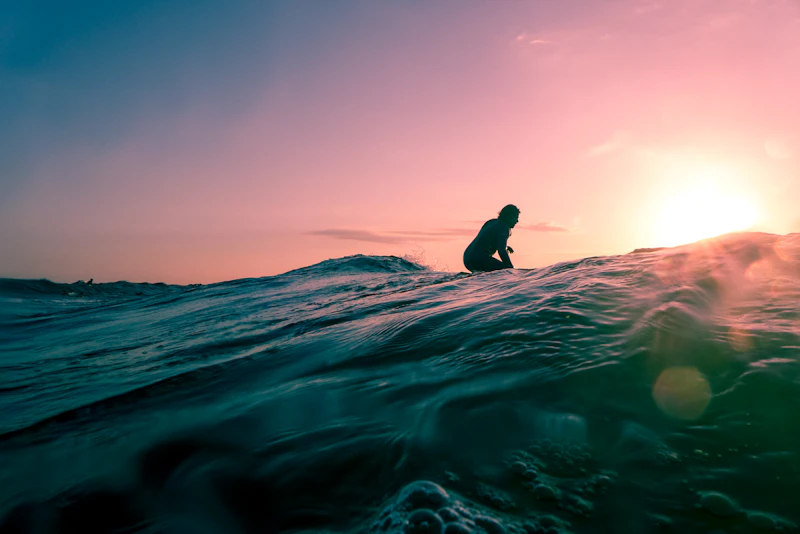
The water is cold — 8 to 12 degrees Celsius in summer — but Arctic surfing has become a quiet obsession here, particularly at Unstad beach, where a left-hand break rolls in beneath mountains and the surfers are few enough that you can sit in the lineup and hear nothing but the hiss of offshore wind. Kayaking the sheltered fjords offers encounters with sea eagles, harbor seals, and the occasional pod of orcas during winter months. Cycling the E10 highway, which connects the islands via bridges and tunnels, is a multi-day adventure that passes through fishing villages where time moves at the speed of drying cod.
Accommodation ranges from converted rorbuer ($80–200/night) to wild camping, which is free under Norway's allemannsretten (right to roam) law. Food is excellent but not cheap — fresh cod tongue (a local delicacy), king crab from the Barents Sea, and cinnamon buns from village bakeries. The cost of groceries and dining will remind you that you are in Scandinavia, but the absence of entrance fees for nature — every mountain, beach, and fjord is free — more than compensates. Restaurants in Svolvær and Henningsvaer offer world-class seafood in settings where the view alone would justify the price.
Best For
Lofoten is ideal for hikers, photographers recovering from the compulsion to share every image, cold-water enthusiasts, and anyone whose nervous system has been wired too tightly by urban life. It speaks particularly to those who find their deepest quiet not in tropical stillness but in the dramatic confrontation of stone and sea and weather — people who need to feel small in order to feel whole again.
How to Get There
Fly from Oslo or Trondheim to Leknes or Svolvaer airports (Wideroe operates multiple daily flights, 1.5–2 hours). Alternatively, drive from Bodo via ferry to Moskenes (3.5 hours sailing through the archipelago — a spectacular approach) or take the coastal steamer Hurtigruten, which stops at Stamsund and Svolvaer on its Bergen-Kirkenes route. From Bodo, the car ferry runs year-round and should be booked in advance during summer. Once on the islands, the E10 highway connects all major villages, and a rental car is the most practical way to explore, though cycling and bus connections are viable for the patient and the hardy.
IslandDetox Index™
You Might Also Like

Ready to unplug?
Start planning your digital detox in Lofoten.
Explore All Islands