
Stewart Island
Where the sky glows with southern light, kiwi birds walk the beaches at dusk, and the edge of the world feels like the beginning of something
Why Stewart Island for a Digital Detox
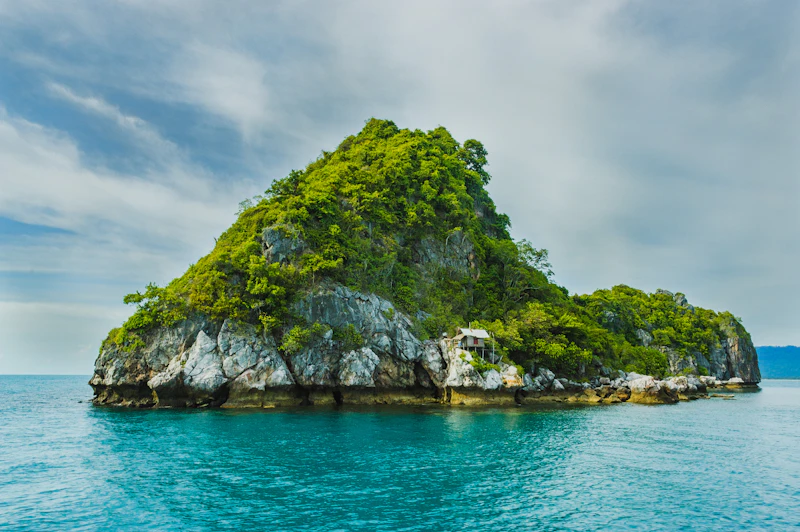
The Māori name for Stewart Island is Rakiura, which translates as "land of the glowing skies." It is one of those names that sounds like poetry until you see the aurora australis ripple across the southern horizon in curtains of green and violet, and then you understand that it is simply a description. This is New Zealand's third island, lying across the wild waters of Foveaux Strait from the South Island's southernmost tip, and it is one of the most remote inhabited places in the country. Eighty-five percent of the island is national park. The remaining fifteen percent holds the fishing village of Oban, twenty kilometres of road, and roughly four hundred people who have chosen to live at the bottom of the world because the bottom of the world, it turns out, is extraordinarily beautiful.
In 2019, the International Dark-Sky Association designated Rakiura a Dark Sky Sanctuary, one of only a handful on earth. The designation is not honorary. The light pollution here is essentially zero. On a clear night, the Milky Way is not a faint smudge but a blazing river, and the Magellanic Clouds hover like ghostly continents in a sky so dense with stars that the darkness between them seems almost solid. The aurora australis appears with some regularity, particularly in winter, painting the southern sky with the kind of light show that makes every screen you have ever stared at seem like a pallid imitation of the real thing. To stand on a beach on Rakiura at midnight, with no artificial light in any direction, is to feel the full weight of the universe pressing down in a way that is not frightening but profoundly clarifying.
By day, the island reveals different wonders. Stewart Island is one of the few places on earth where you can see wild kiwi birds in their natural habitat. These secretive, nocturnal creatures forage on Ocean Beach at dusk, probing the sand with their long bills, utterly indifferent to the handful of humans who have walked an hour through the bush to watch them. The experience of sitting motionless in the fading light as a kiwi waddles past your feet is one that recalibrates your sense of what matters. The bird does not know or care about your inbox, your social media presence, or the news cycle. It is simply doing what kiwi have done for millions of years, and its oblivious persistence in the face of everything the modern world throws at the natural one is quietly devastating.
The island's power as a detox destination lies in its position at a genuine frontier. This is not curated wilderness or managed nature. The bush is dense, wet, and tangled. The weather arrives from Antarctica with nothing to stop it. The sea is cold and enormous. The few trails penetrate a landscape that is, in the most literal sense, wild, meaning unpredictable, uncontrolled, and answerable only to itself. Mobile signal exists in Oban and vanishes the moment you step beyond it. When you walk the Rakiura Track, a thirty-two-kilometre loop through coastal forest and tidal flats, you enter a silence so total that the sound of a bellbird becomes an event. Your nervous system, stripped of its usual inputs, does what it was always designed to do when freed from the tyranny of constant stimulation: it quiets, it opens, it begins to perceive.
What to Expect
Stewart Island is reached by ferry from Bluff, a one-hour crossing of Foveaux Strait that can range from placid to punishing depending on the weather. Stewart Island Flights also operates a twenty-minute scenic flight from Invercargill that delivers you over the island's ragged coastline with views that are worth the price alone. Oban, the only settlement, is a village of weatherboard houses, a general store, a couple of cafes, a pub, and a Department of Conservation visitor centre. Accommodation includes lodges, holiday homes, a backpackers hostel, and a small number of bed-and-breakfasts. The atmosphere is remote, friendly, and slightly salt-bitten, the kind of place where people still wave at strangers and leave their doors unlocked.
The primary activities are walking, birdwatching, and surrendering to the sky. The Rakiura Track is a well-maintained Great Walk that takes three days and two nights, traversing native bush, sheltered bays, and sections of boardwalk over wetlands. For more ambitious trampers, the North West Circuit is a challenging multi-day expedition through some of the most untouched coastal wilderness in New Zealand. Guided kiwi-spotting trips to Ocean Beach depart from Oban in the evening and offer a near-certain chance of seeing the birds in the wild. By night, if the sky is clear, walk to any dark spot away from Oban's few streetlights and look up. What you see will be worth every hour of travel it took to get here.
Expect weather that changes without warning: four seasons in a day is a local cliché because it is literally true. Rain is frequent, the wind can be fierce, and summer temperatures rarely exceed eighteen degrees Celsius. Bring serious rain gear, warm layers, and broken-in hiking boots. Mobile signal is available in Oban on some networks but is unreliable and absent everywhere else. There are no ATMs on the island, so bring cash. The general store stocks basic supplies, but if you have specific dietary needs, provision in Invercargill before crossing. The reward for this logistical effort is an encounter with one of the last truly dark, truly wild, truly quiet places in the developed world.
Best For
Stewart Island is for those who want wildness that is genuine rather than branded. It is exceptional for birdwatchers and wildlife enthusiasts, particularly those drawn by the chance to see kiwi in the wild. Stargazers and aurora chasers will find conditions unmatched outside Antarctica. Experienced trampers seeking multi-day solitude on trails where you may not see another person will find the North West Circuit unforgettable. Solo travelers with outdoor skills will thrive here. And anyone who has become so saturated with artificial light and digital noise that they need the literal edge of the inhabited world to remember what darkness and silence feel like will find in Rakiura a sanctuary in the truest sense of the word.
How to Get There
Fly internationally to Queenstown or Christchurch, then take a domestic flight or drive to Invercargill, the southernmost city in New Zealand. From Invercargill, Stewart Island Flights operates a twenty-minute scenic flight to Ryan's Creek Aerodrome on the island. Alternatively, drive to Bluff (thirty minutes south of Invercargill) and take the Stewart Island Experience ferry, which crosses Foveaux Strait in approximately one hour. The ferry runs daily year-round, though winter services may be disrupted by weather. On the island, there are no rental cars and only twenty kilometres of road. Oban is walkable, and all other exploration is done on foot via DOC-maintained tracks. Book accommodation and transport in advance during the summer months of November through March, and bring everything you need, as the island's supplies are limited.
IslandDetox Index™
You Might Also Like

Ready to unplug?
Start planning your digital detox on Stewart Island. Follow the kiwi into the dark and let the southern sky remind you what light really means.
Explore All Islands