
Taveuni, Fiji
The Garden Island, where the Dateline crosses and time itself asks you to stop counting
Why Taveuni for a Digital Detox
Taveuni is the third-largest island in the Fijian archipelago, and it earned its title — the Garden Island — not through marketing but through sheer, relentless fertility. The volcanic soil here is among the richest in the Pacific, and the result is a landscape of almost absurd lushness. Rainforest climbs the flanks of Des Voeux Peak to over 1,200 meters. Waterfalls appear around every bend in the road, some of them roaring cascades that drop into pools of jade-green water, others thin silver threads that the wind disperses before they reach the ground. The air itself feels alive — thick with moisture, fragrant with frangipani and wild ginger, vibrating with the calls of orange doves and silktails found nowhere else on earth. When you step off the small Fiji Airways turboprop at Matei Airport, the jungle presses in from every side, and you understand immediately that this is not a manicured tropical resort experience. This is the real thing. The wild, unedited, overwhelmingly green real thing.
The International Date Line runs directly through Taveuni, and there is a small, endearingly modest sign on the island marking the spot where today becomes yesterday or tomorrow, depending on which direction you face. This geographical curiosity is more than a novelty for the digital detoxer. It is a physical reminder that time is a construct — one that you have been enslaved to, one notification at a time, one calendar alert at a time, one "sent at 11:47 PM" at a time. On Taveuni, time operates on "Fiji time," which is not a joke but a genuine cultural orientation. Things happen when they happen. The bus leaves when the driver finishes his tea. The dive boat goes out when the tide is right. Meals appear when the cooking is done. For the first day, this imprecision may make you anxious. By the third day, you will have stopped wearing your watch. By the fifth, you will wonder why you ever needed to know what time it was.
Mobile signal on Taveuni exists in the main town of Waiyevo and at some of the larger resorts, but outside these pockets, the coverage drops to nothing. The island's eastern coast, where the Bouma National Heritage Park occupies 80 percent of the land area, is essentially off-grid. The Tavoro Waterfalls — a trail of three cascading falls, each more spectacular than the last, accessible by a jungle hike through Bouma — are reached without signal, without maps, without anything but your own senses and the sound of water pulling you forward. The Waitavala natural waterslide, a smooth volcanic rock chute that sends you sliding into a pool of cold freshwater, is the kind of experience that exists entirely outside the digital realm. You cannot stream it. You cannot post it in real time. You can only do it, feel the stone beneath your back and the rush of water around you, and laugh — not for an audience, but because your body remembers what joy feels like when it is not performed.
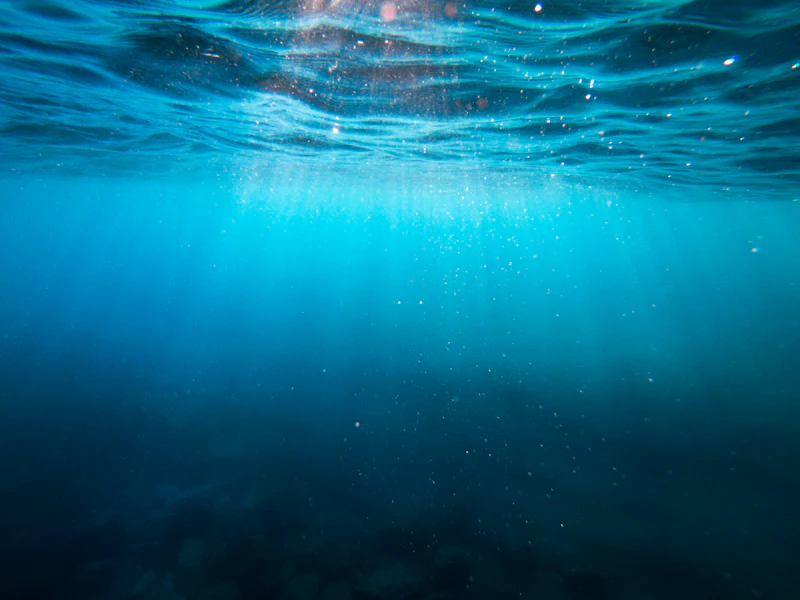
Beneath the surface, Taveuni guards one of the world's great marine treasures. Rainbow Reef, in the Somosomo Strait between Taveuni and Vanua Levu, is named for the extraordinary diversity and density of its soft coral — forests of purple, orange, pink, and yellow that sway in the current like an underwater garden designed by someone with no interest in subtlety. The Great White Wall, one of the most celebrated dive sites on the planet, is a vertical drop-off draped entirely in white soft coral that glows in the blue water like something from a dream. Even for snorkelers, the reef edges accessible from shore offer an immersion in color and movement that makes the most vivid screen feel washed-out and static. The ocean here does not compete with technology. It simply operates on a sensory frequency that technology cannot reach.
What to Expect
Life on Taveuni moves to a rhythm set by the natural world and the gentle cadences of Fijian village culture. Mornings begin early — the tropical sun is up by six, and the birds have been at work since before dawn. Breakfast at your lodge or guesthouse will be fresh tropical fruit — papaya, pineapple, passionfruit, and bananas that taste nothing like the pale supermarket versions you know — alongside eggs, toast, and the strong, sweet Fijian tea that accompanies every meal. The morning is for exploring: a hike to the Tavoro Waterfalls, a drive along the coastal road past copra plantations and small villages where children wave from the roadside, or a dive trip to Rainbow Reef that leaves from the jetty at Waiyevo.
Fijian village culture is central to the Taveuni experience, and visitors are welcomed with a warmth that is not performed for tourists but is a genuine expression of the Fijian concept of kerekere — communal generosity and reciprocity. If you are invited to a village, you will participate in a sevusevu ceremony, presenting a bundle of yaqona (kava) root to the village chief. The kava ceremony that follows — sitting cross-legged in a circle, clapping once before drinking from the communal bowl, feeling the mild, tingling numbness spread through your lips and limbs — is one of the most grounding social rituals in the Pacific. There is no small talk. There is no performance. There is simply a group of people sharing a drink made from a root pulled from the earth that morning, and the silence between rounds of clapping is the most comfortable silence you have encountered in years.
Accommodation ranges from simple village homestays and backpacker lodges to eco-resorts perched on the jungle hillside with views across the Somosomo Strait. The mid-range options — small, locally owned lodges with open-air dining and gardens that spill into the surrounding forest — offer the best balance of comfort and immersion. Electricity is reliable in most areas, but air conditioning is rare and unnecessary; the trade winds and the altitude keep the nights cool. Dinner is often a lovo — food slow-cooked in an underground earth oven — featuring root vegetables, fish wrapped in banana leaves, and the smoky, tender pork that is the centrepiece of Fijian celebration meals. You eat with your hands. You eat slowly. The stars come out, and without the competition of a screen, you actually look at them.
Best For
Taveuni is ideal for divers and snorkelers drawn to world-class soft coral reefs, hikers and waterfall enthusiasts who want a lush tropical environment without resort sterility, and travelers seeking genuine cultural immersion through Fijian village life. It suits solo adventurers, couples, and small groups who want a Level 3 detox that balances significant disconnection with enough infrastructure to feel safe and well-fed. If you are drawn to the idea of standing on the line where today becomes tomorrow and choosing not to care which side you are on, Taveuni is your island.
How to Get There
Fiji Airways operates daily flights from Nadi (NAN) and Suva (SUV) to Matei Airport (TVU) on Taveuni's northern tip. The flight from Nadi takes approximately 70 minutes. An alternative is the ferry from Suva to Taveuni via Savusavu on Vanua Levu, though the journey takes considerably longer and schedules are less reliable. From Matei Airport, your accommodation will typically arrange a transfer. The island has a single main road running along the western coast, and transport is by minibus, taxi, or rental car (4WD recommended for the unpaved sections). Bring cash — ATMs exist in Waiyevo but are not always reliable, and many smaller establishments are cash-only. The dry season from May to October offers the best weather for hiking and diving.
IslandDetox Index™
You Might Also Like

Ready to unplug?
Start planning your digital detox on Taveuni. Leave the noise behind.
Explore All Islands