
Vis
Croatia's farthest island, where time dissolved decades ago
Why Vis for a Digital Detox
Vis spent nearly fifty years as a closed Yugoslav military base, off-limits to foreign visitors until 1989. That enforced isolation preserved something extraordinary: an island that never industrialized its coastline, never built resort complexes, and never learned to perform for tourists. When the military left, what remained was an authentic Adriatic fishing community with stone villages, family-run konobas, and a relationship with the sea that stretches back to the ancient Greeks, who founded the colony of Issa here in the 4th century BC.
The island's distance from the mainland is its greatest asset for digital detox. At roughly 2.5 hours by ferry from Split, Vis is the farthest inhabited island in the Croatian Adriatic. This distance creates a psychological threshold — by the time you arrive, the mainland already feels like another world. Mobile signal exists in the two main towns (Vis Town and Komiza) but becomes unreliable in the island's interior and along its wilder southern coastline. The famous Blue Cave on nearby Bisevo, accessible only by small boat, offers a moment of pure sensory wonder that no screen can replicate.
What sets Vis apart from other detox islands is its food culture. The island's isolation forced self-sufficiency, and that tradition persists. Fishermen still bring in the day's catch to the harbour each morning. Vineyards planted with the indigenous Vugava grape produce a white wine found almost nowhere else on earth. Konoba kitchens serve slow-cooked octopus under iron peka bells, hand-rolled pasta, and salads from gardens steps away. Eating on Vis is not a dining experience — it is a form of healing, a reminder that nourishment can come from the earth rather than from a delivery app.
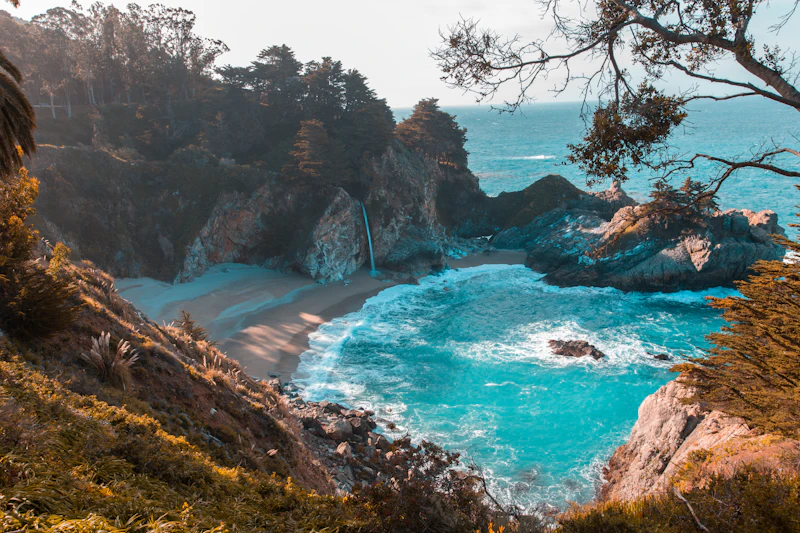
The island's terrain encourages exploration on foot or by bicycle. Abandoned military tunnels, hidden swimming coves accessible only by goat paths, and hilltop viewpoints overlooking the open Adriatic all reward those willing to wander without a plan. There is a quality of light here in the late afternoon — golden, heavy, Mediterranean — that slows the mind more effectively than any meditation app. Vis does not ask you to disconnect; it simply makes connection feel irrelevant.
What to Expect
The Jadrolinija car ferry departs Split several times daily in summer and arrives at Vis Town harbour. Catamarans offer a faster 1.5-hour crossing but do not carry vehicles. Vis Town itself is a compact, walkable settlement with Venetian-era architecture, waterfront cafes, and a handful of boutique guesthouses. Komiza, on the western coast, is the island's fishing heart — grittier, more authentic, and home to the boats that ferry visitors to the Blue Cave.
Accommodation is largely in private apartments (sobe), small family-run hotels, and a growing number of restored stone houses. There are no mega-resorts and no international hotel chains. Expect simple, clean rooms with thick stone walls that stay cool without air conditioning. Restaurants close when the food runs out, not at a set hour. Shops keep irregular hours. This unpredictability is part of the healing — learning to operate without a schedule rewires your relationship with time.
The pace of life on Vis is deliberately slow. Locals sit in harbourside cafes for hours, fishermen mend nets in the shade, and the afternoon fjaka (the Dalmatian word for the drowsy, do-nothing state induced by heat and contentment) is treated as a sacred daily ritual. By your second or third day, you will find yourself adopting this rhythm naturally. The urge to check, scroll, and refresh gives way to the older rhythms of appetite, sleep, and curiosity.
Best For
Vis is ideal for foodies who want their detox paired with extraordinary local cuisine, solo travelers seeking a healing environment without forced socializing, and anyone recovering from professional burnout. The island's blend of natural beauty, cultural depth, and genuine slow living makes it one of the most effective Level 3 detox destinations in the Mediterranean.
How to Get There
Fly into Split Airport (SPU), which receives direct flights from most European capitals. From Split, take the Jadrolinija ferry (2 hours 20 minutes) or the high-speed catamaran (1 hour 20 minutes) to Vis Town. In peak summer (July-August), book ferry tickets in advance as capacity fills quickly. A rental car is useful but not essential — the island is small enough to explore by scooter or bicycle, and local buses connect the two main towns. From Vis Town, water taxis can take you to remote beaches and the Blue Cave on Bisevo.
IslandDetox Index™
You Might Also Like


Ready to unplug?
Start planning your digital detox on Vis.
Explore All Islands